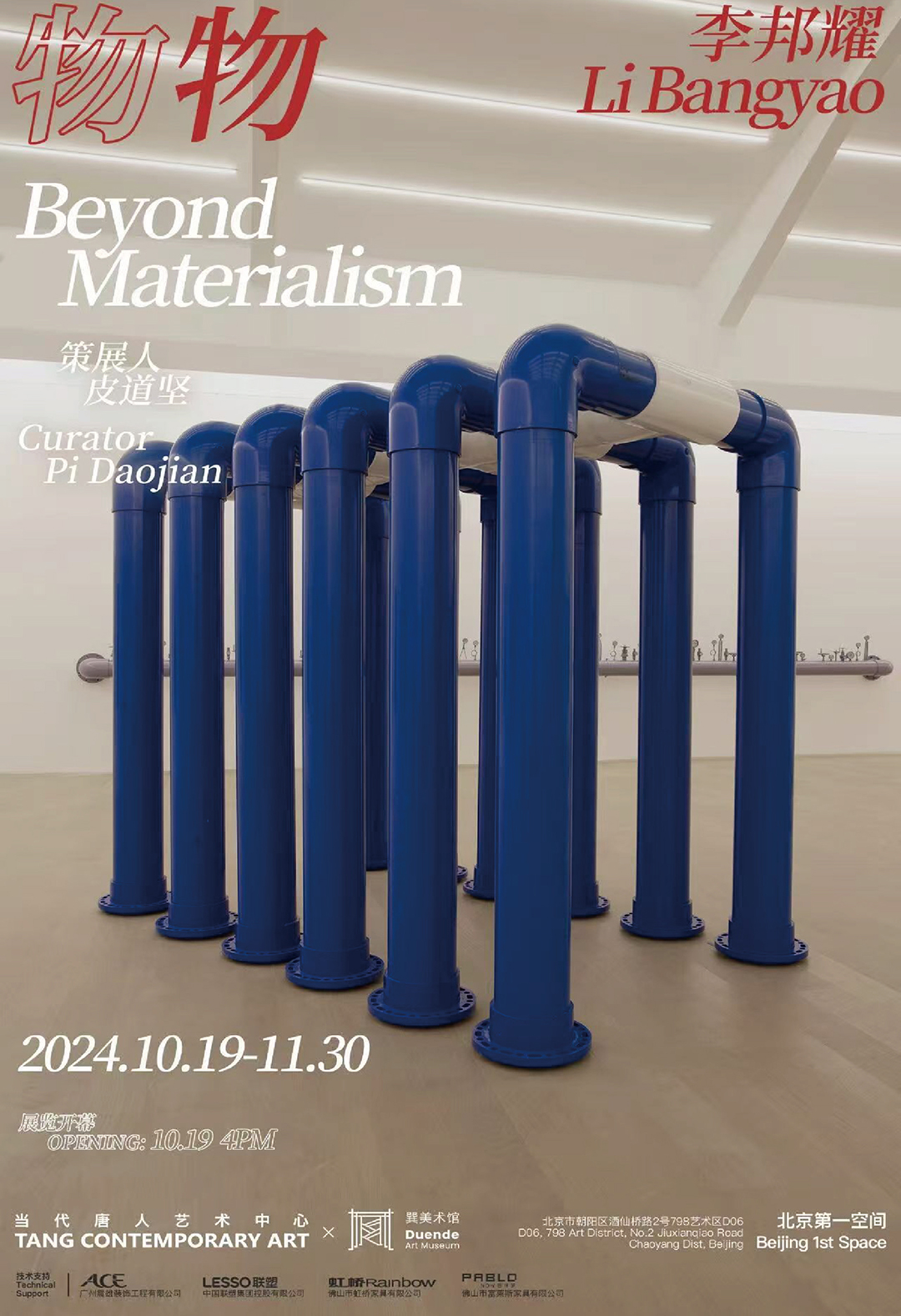
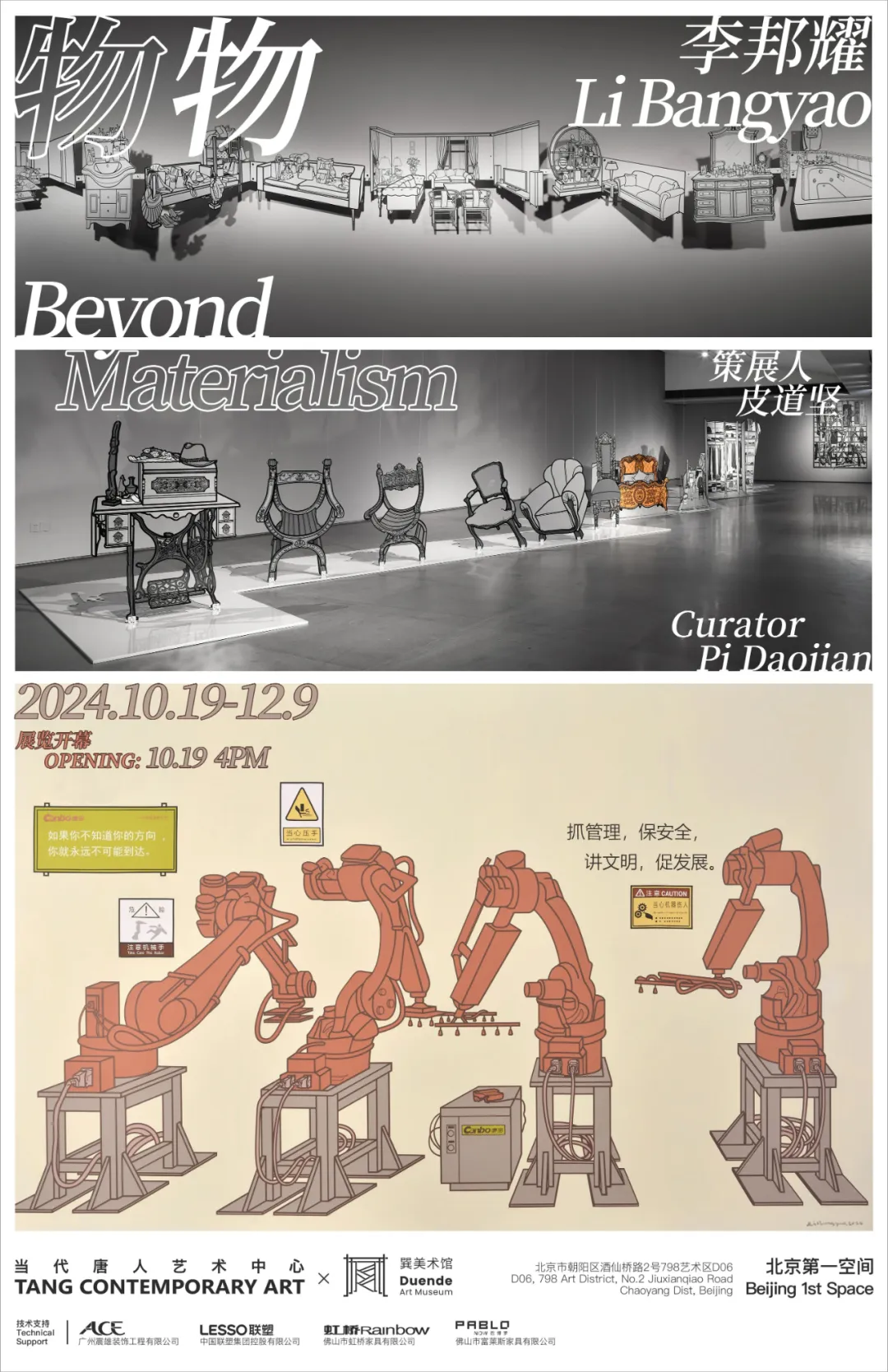
Amid the bustling cities and the ever-growing tide of consumerism, the presence of "objects" seems self-evident. But have we truly understood them? In October, Beijing unveiled artist Li Bangyao's latest solo exhibition, Beyond Matenalism. Through the symbolism of "objects," the exhibition delves into the profound connections between humanity, materiality, civilization, and development. With the language of art, it sheds light on modern society's alienation of individuals and explores potential "paths to redemption."
As an artist with nearly four decades of creative exploration, Li Bangyao's works have consistently focused on the multifaceted significance of "objects." In the Beyond Materialism exhibition, he employs a diverse array of object forms and symbolic language to continue his longstanding perspective on social history, offering viewers an opportunity to reexamine the relationship between objects and humanity.
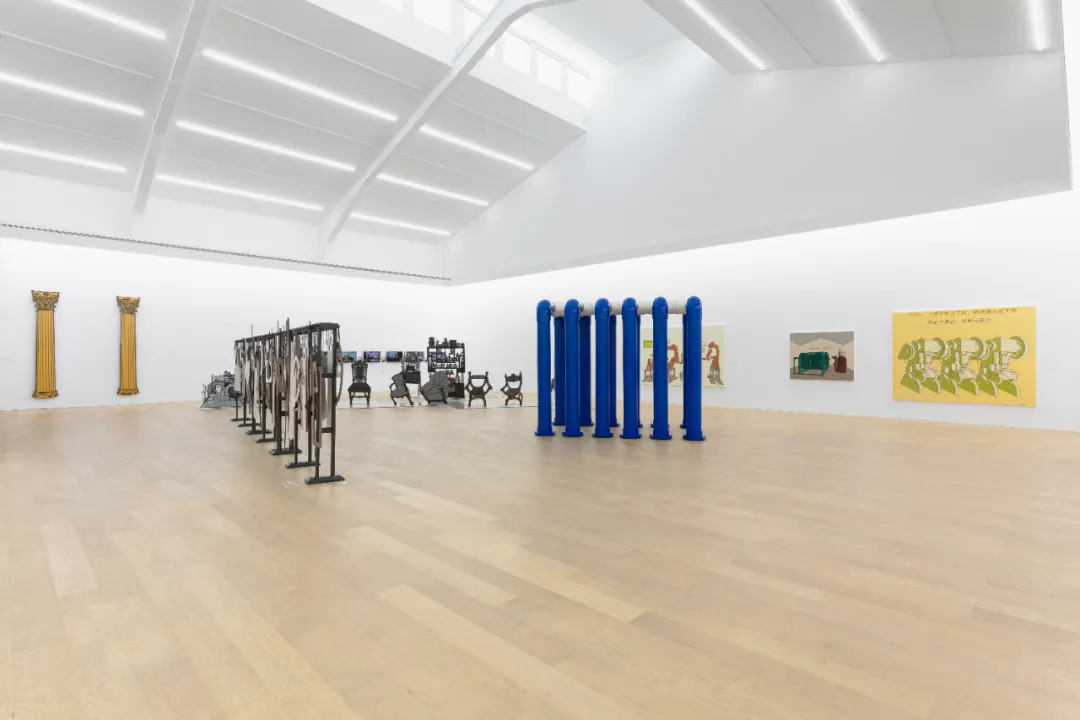
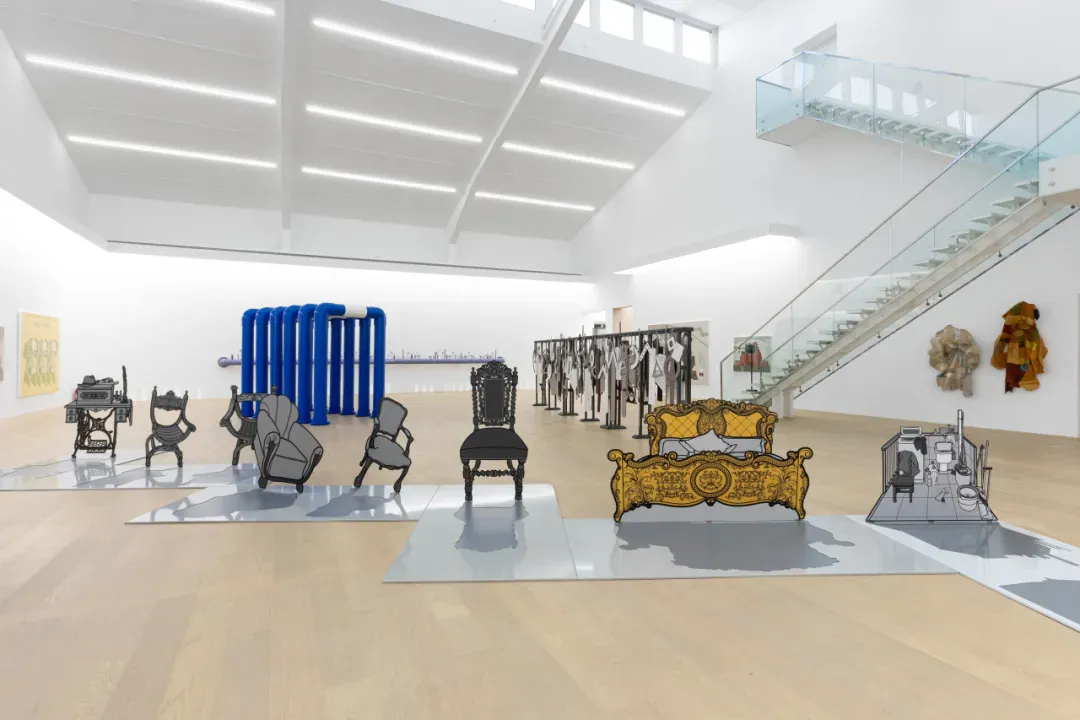
EEach piece in the exhibition—whether ordinary or eccentric—carries the artist's profound humanistic care. With meticulous artistic expression, Li explores how "objects" become reflections of human desire in a consumer society and how, in turn, these objects shape and dominate human lifestyles. He prompts us to pay attention to the often-overlooked objects of daily life, which, in their silence, reveal our attitudes toward living, resources, and the environment.
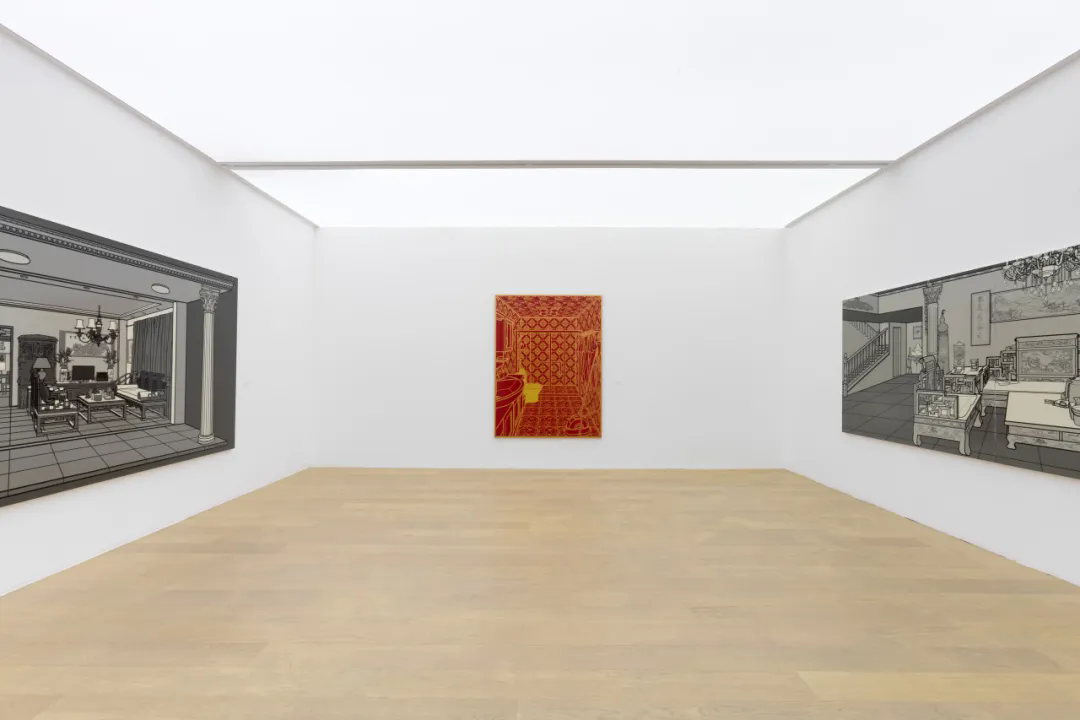
In this exhibition, PABLO NOW joined as a partner, infusing the show with its signature home furnishing elements and creating a unique dialoguewith Li Bangyao’s works. By repurposing leftover leather scraps and other discarded materials from PABLO NOW production process, Li gave these industrial byproducts new life, transforming them into art. This recreation of industrial products into artistic rebirth reflects a profound contemplation of the material life cycle. As Li Bangyao remarked, PABLO NOW furniture is not merely functional but serves as symbols of consumer society and cultural carriers. Through this collaboration, he seeks to explore how the meaning of objects can transcend their physical form to become spiritual symbols
PABLO NOW philosophy of "bringing art into everyday life" resonates throughout the exhibition. The integrationof Pablo's materials with Li Bangyao’s creations beautifully illustrates the fusion of art and daily living spaces. Through this collaborative effort,PABLO NOW not only demonstrates its unwavering support for the arts but also reinforces its commitment to sustainable design and a refined aesthetic for contemporary living.
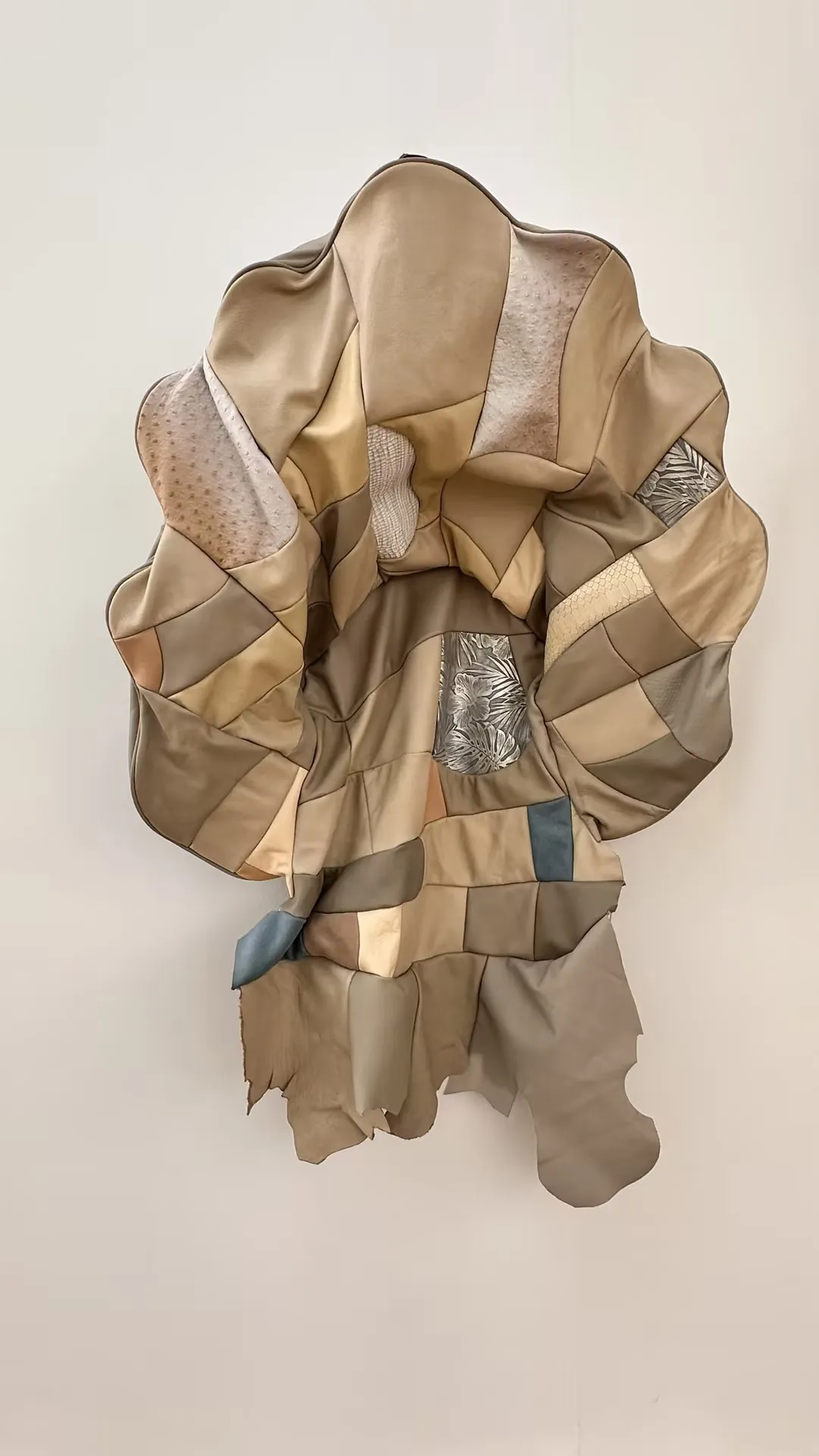
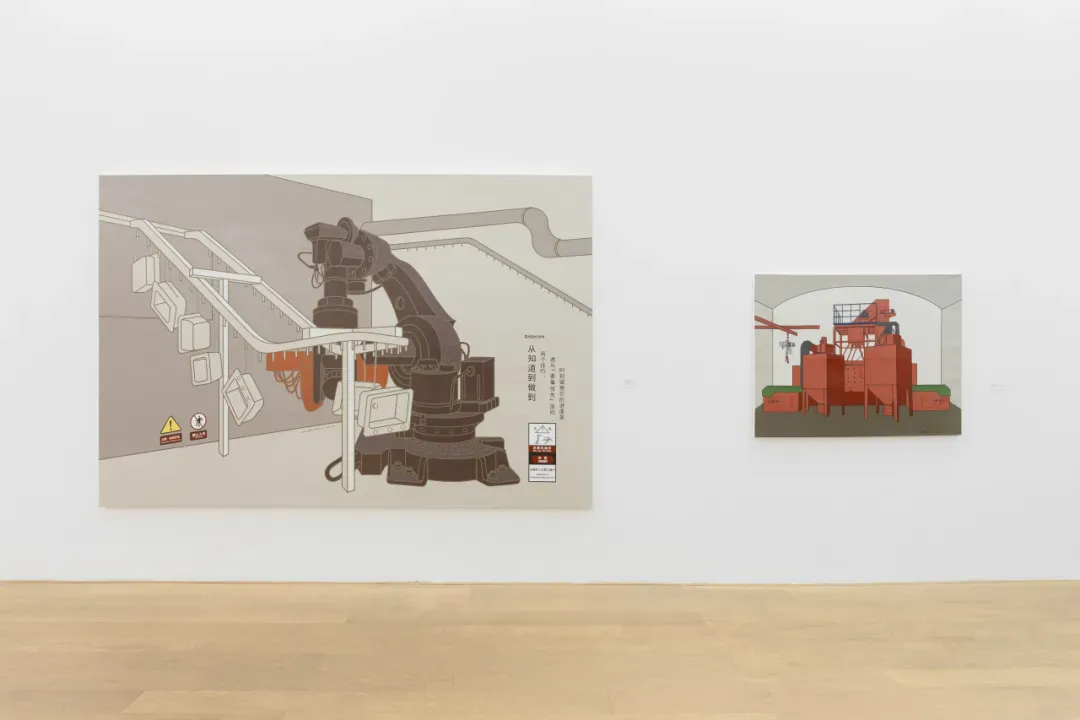
Carnal Production No.1
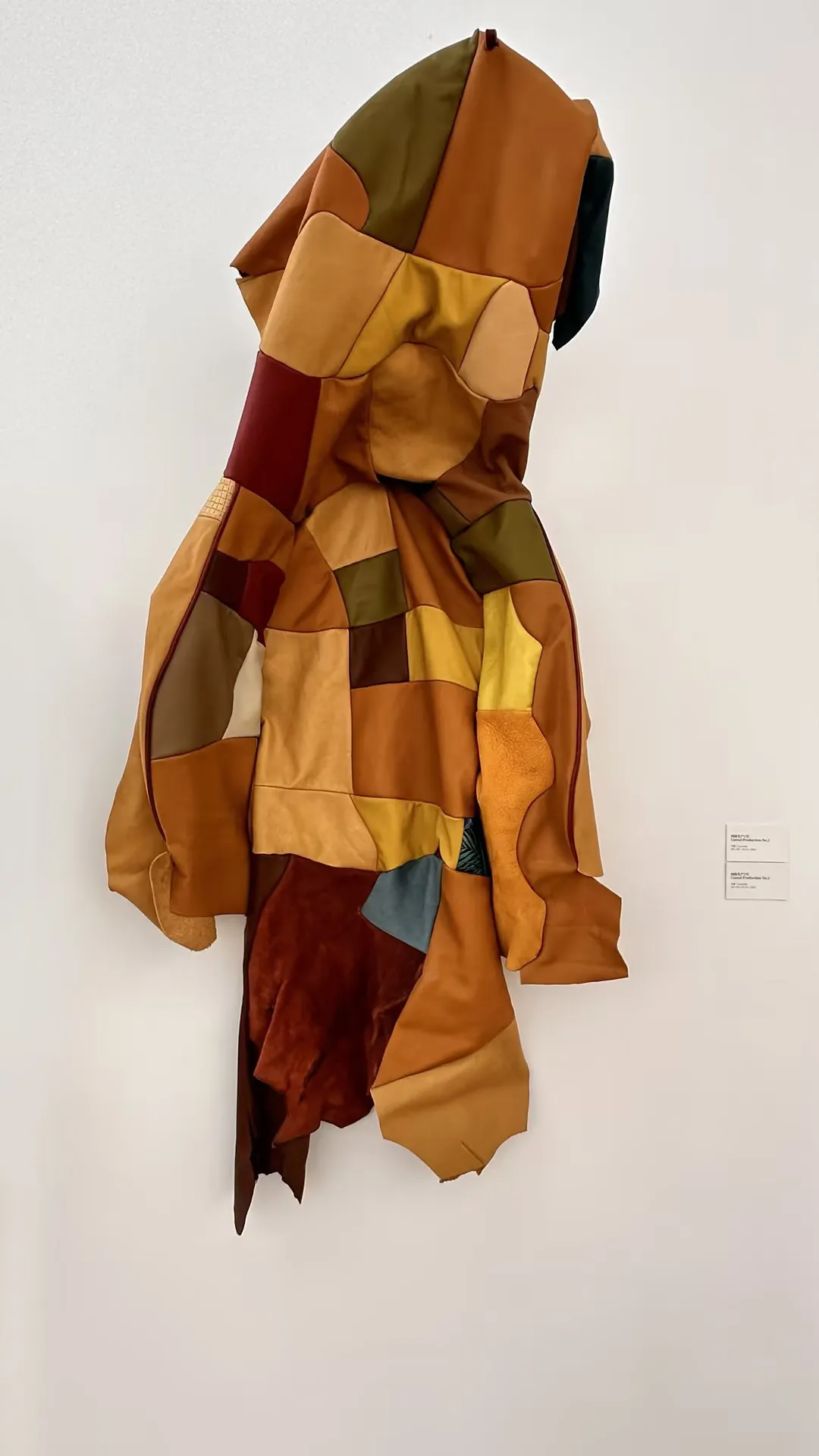
Carnal Production No.2
This collaboration marks another milestone in PABLO NOW journey toward making "art a part of daily life." Just as Li Bangyao delves into the relationship between objects and people in his work, PABLO NOW seeks to remind audiences through this exhibition that art is not an unattainable ideal but something that should seamlessly integrate into our everyday lives. This philosophy is evident not only in the brand’s support for art exhibitions but also in the design and presentation of PABLO NOW products—each piece embodies a pursuit of life’s inherent beauty.
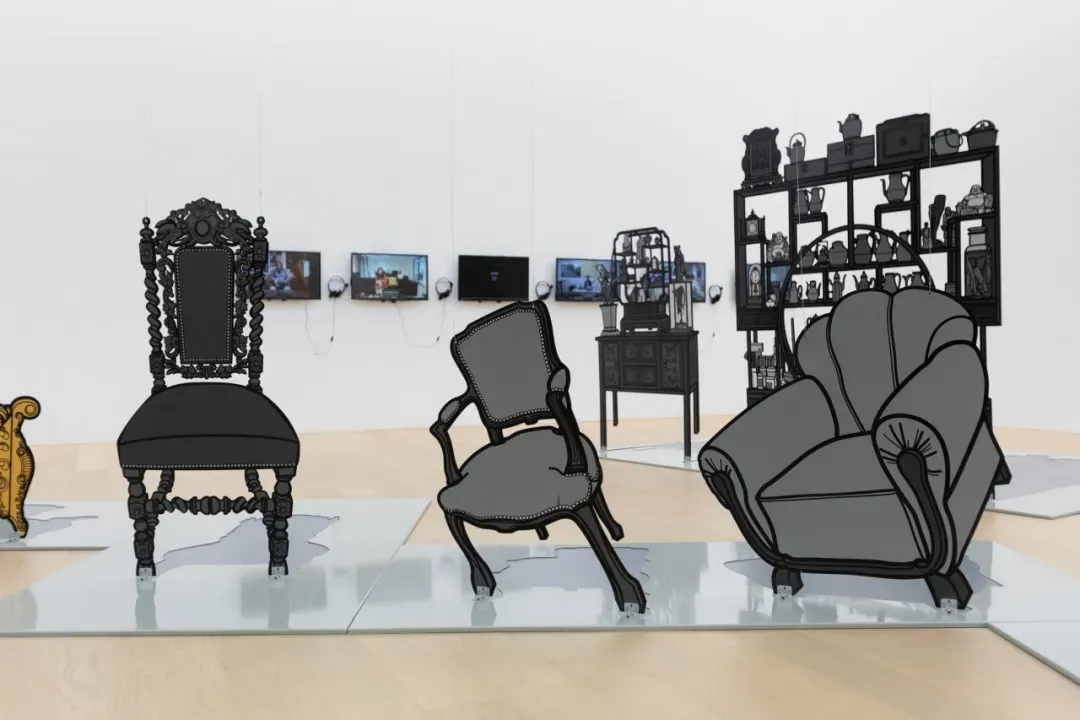
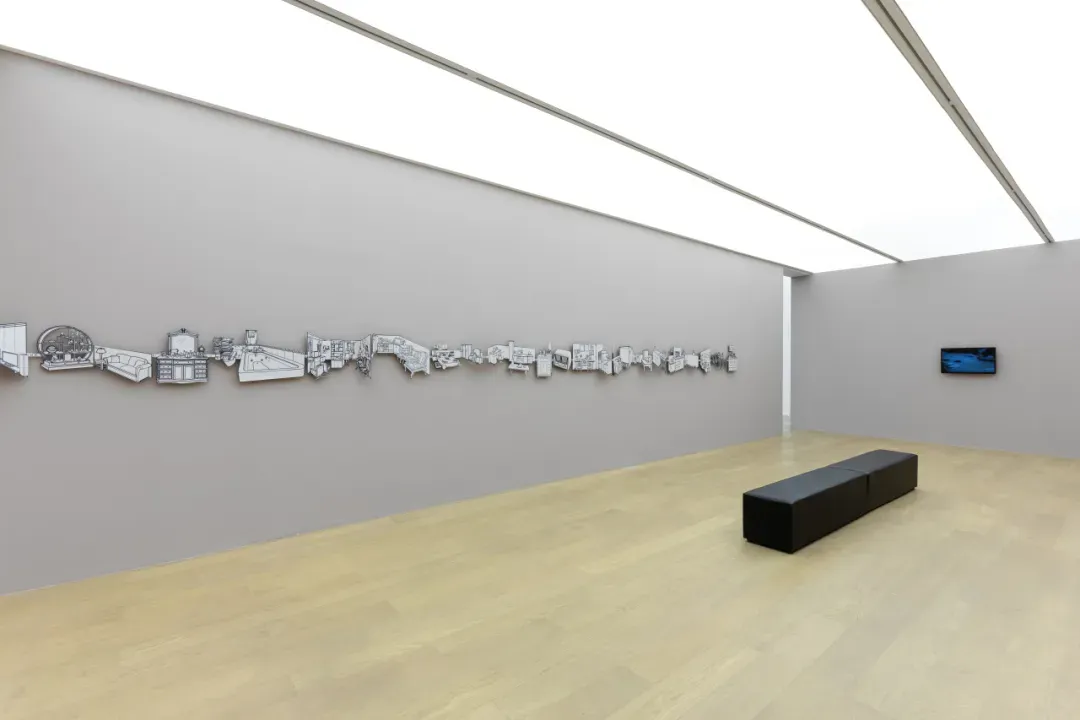
In the Beyond Matenalism exhibition, we witness not only the artist's profound insights but also PABLO NOW unwavering commitment to embedding art into life. From the rebirth of materials to the exploration of the spirit, this exhibition offers a unique opportunity to rediscover poetry in modern living. Art, life, and the spaces we call home come together here to form a complete and harmonious aesthetic tapestry.
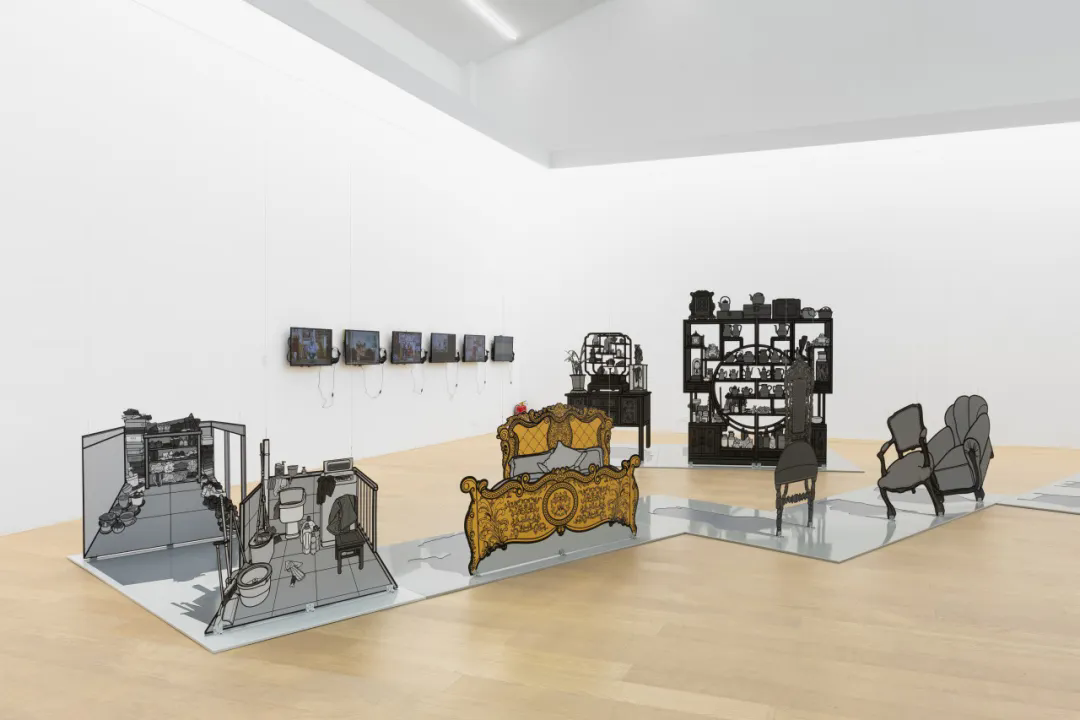
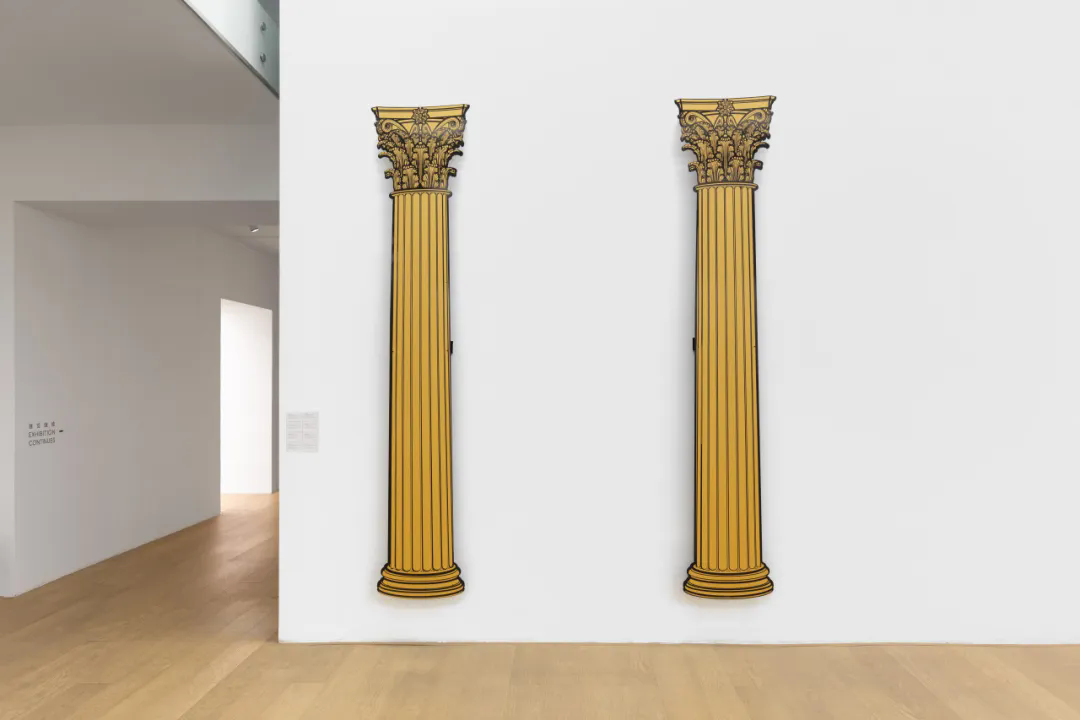
PABLO NOW firmly believes that art is not merely an embellishment for life but an indispensable part of it.Looking ahead, PABLO NOW will continue to support the arts with tangible action, using design to blur the boundaries between home and art, and offering endless possibilities to those who cherish the beauty of life.
About Artist
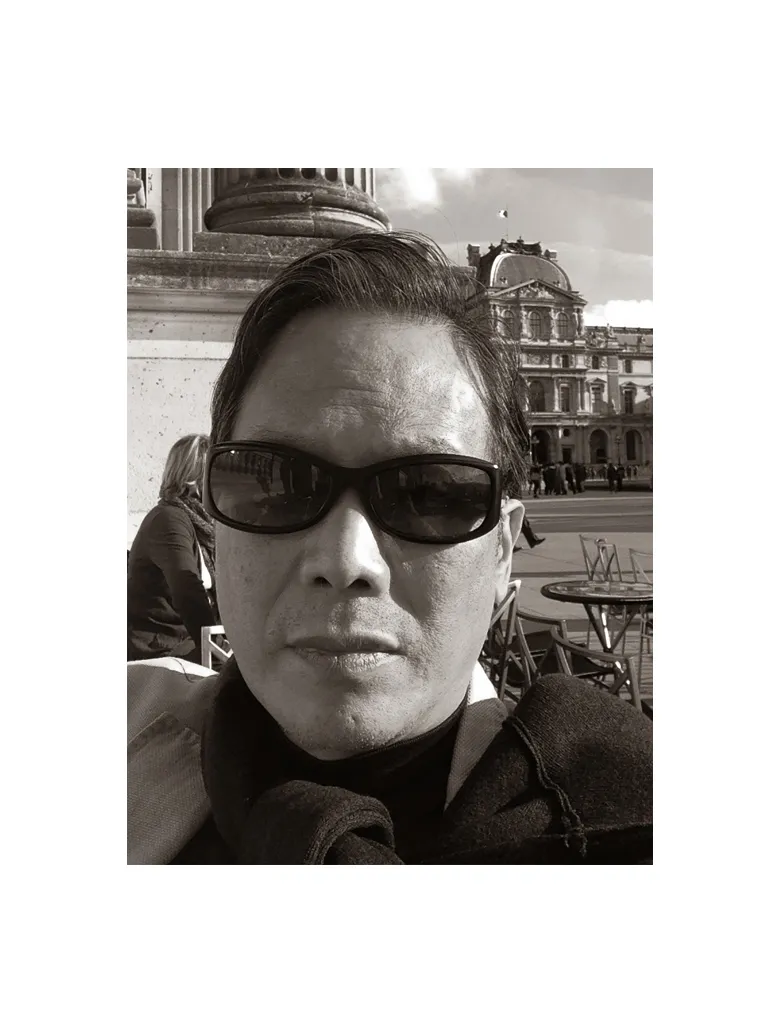
Li Bang Yao
1954 b.wuhan.China,May
Currently working and living in Guangzhou.China
Li Bangyao started his artistic creation in the early 1980s after earning a degree in fine arts from the Hubei Institute of Arts (now the Hubei Academy of Fine Arts) in 1978. As a member of "The Tribe of Hubei"--a Wuhan-based art group active in the ’85 New Wave, he created his signature work "Concerto without Lang YaGrass". In the early 1990s, he began to investigate"Objects" and created the Pop-styled Product Trustsseries. Since the 1990s, he has spent more than three decades conducting extensive research on the relationships between objects and individuals, objects and society, and objects with families in Chinese society.His artistic creation can broadly be divided into three phases: 1. Objects and individuals in the era of consumption; 2. Regarding the symbols, identities and mysteries 3. The studyof "object", in relation to private life, family and its property; His representative works include the Re-Reading Pictures series, The Origin of Species series, Indoor, Private Manual, etc. Moreover, his media compositions involve graphic painting, comprehensive materials, installation and video, etc. He has participated in numerous significant exhibitions and solo exhibitions domestically and internationally.